
tempered glass process
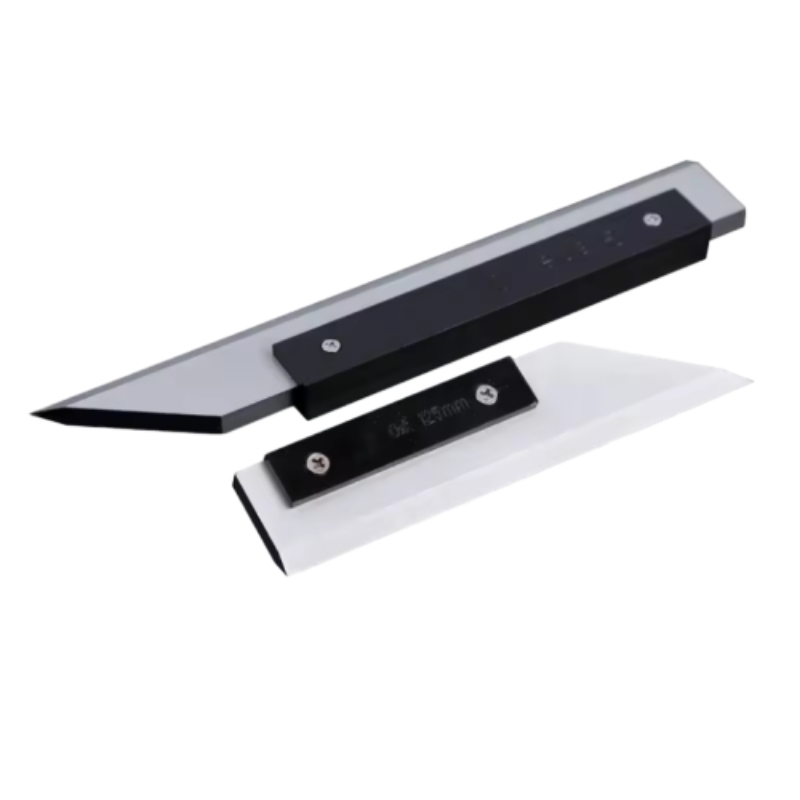
Understanding the Importance of Inspection Rulers in Quality Control In the realm of manufacturing and quality control, precision is paramount. One tool that has proven invaluable in ensuring accuracy and maintaining high standards is the inspection ruler. This seemingly simple instrument plays a crucial role in measuring the dimensions of products and components, aiding manufacturers in delivering top-quality goods to their customers. An inspection ruler, often marked with precise measurements, is designed to provide accurate readings of lengths, widths, and heights of various objects. It serves as a fundamental tool in the inspection phase of production processes. By enabling users to measure items with precision, inspection rulers help to confirm that products meet specified tolerances and dimensions, as outlined in their design requirements. One of the primary industries where inspection rulers are extensively used is in manufacturing. In this sector, products must meet strict regulatory standards and customer expectations. For example, in the automotive industry, every component, from engine parts to body shells, must adhere to tight tolerances to ensure functionality and safety. Any deviation from these specifications can lead to significant issues, including product recalls or safety hazards . Inspection rulers allow quality control inspectors to quickly verify that parts are within acceptable limits, reducing the likelihood of defective products reaching consumers. inspection ruler Moreover, inspection rulers are not limited to measuring linear dimensions; they can also be used in conjunction with other measurement tools to assess angles, contours, and even depths. For example, when inspecting machined parts, engineers may utilize a combination of an inspection ruler and calipers to ensure all features of the component are within the required specifications. This multi-faceted approach to measurement enables more thorough quality assurance processes and contributes to overall product excellence. In addition to their application in manufacturing, inspection rulers are also crucial in fields such as construction and woodworking. In these industries, precision is equally important, as inaccuracies can lead to structural failures or increased costs due to material waste. Carpenters and construction professionals rely on inspection rulers to measure lengths for cutting materials accurately, ensuring that construction projects proceed smoothly and that safety standards are upheld. Furthermore, the advent of digital inspection tools has complemented traditional inspection rulers. Digital calipers and laser measurement devices provide more advanced capabilities and improved accuracy. However, the classic inspection ruler remains a staple in the toolkit of quality control professionals. Its simplicity, reliability, and ease of use make it a preferred choice for many. In conclusion, inspection rulers play a vital role in maintaining quality in various industries. They not only ensure that products meet specific measurements but also protect manufacturers from potential liabilities associated with defective goods. As industries continue to evolve and embrace new technologies, the fundamental principles of precise measurement and quality control remain unchanged. The humble inspection ruler, with its critical role in verifying dimensions and ensuring product integrity, is an essential tool that will continue to be relied upon for years to come. By prioritizing precision and quality through tools like inspection rulers, manufacturers can uphold their commitments to excellence and customer satisfaction.
about
tempered glass process
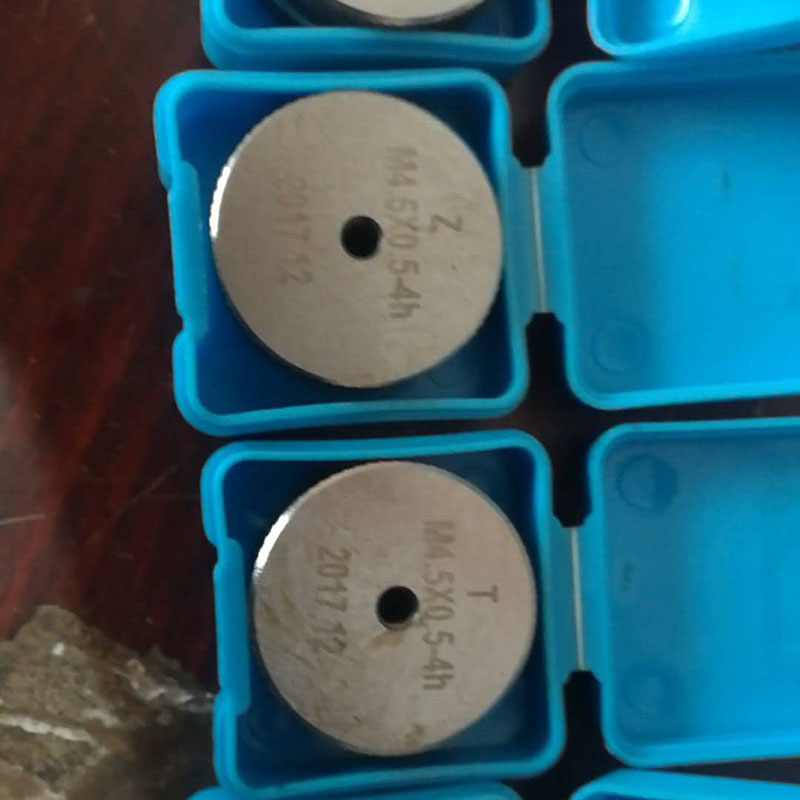
Understanding Ring Gauge Standards in Manufacturing In the world of manufacturing and quality control, precision is paramount. One of the critical tools used to achieve this precision is the ring gauge. Ring gauges are used primarily for measuring the diameter of cylindrical parts and holes, ensuring that components fit together seamlessly in assemblies and machinery. This article delves into the significance of ring gauge standards, their applications, and the impact they have on manufacturing processes. What is a Ring Gauge? A ring gauge is a type of measuring instrument that is designed in the shape of a ring. It is used to check the diameter of a cylindrical workpiece by fitting the workpiece into the gauge. There are two main types of ring gauges go gauges and no-go gauges. The go gauge is the acceptable limit that the workpiece must fit within, while the no-go gauge represents the maximum allowable size. If a part passes through the go gauge but does not pass through the no-go gauge, it is considered within tolerance. Importance of Standards The significance of ring gauge standards cannot be overstated . These standards are set by various organizations, including the International Organization for Standardization (ISO) and the American National Standards Institute (ANSI). They provide strict guidelines and specifications regarding the dimensions, tolerances, and materials used in the manufacturing of ring gauges. By adhering to established standards, manufacturers can ensure consistency and compatibility across various components and systems. This uniformity is crucial, especially in industries such as aerospace, automotive, and machinery, where even the slightest deviation can lead to failures and safety risks. For example, in the aviation sector, where parts must interact with precision, a mismatch caused by inconsistent measurements could result in catastrophic outcomes. Applications of Ring Gauges ring gauge standard Ring gauges are widely utilized in various industries. In the automotive sector, they are instrumental in ensuring that engine parts fit together properly. Similarly, in the aerospace industry, ring gauges are used to measure and ensure the quality of critical components like landing gear and engine mounts. Moreover, ring gauges are not limited to large-scale manufacturing. They are also essential in mechanical workshops where precision machining is performed. Craftsmen and machinists use ring gauges to verify the dimensions of custom parts, ensuring they meet the required specifications before assembly. Impact on Quality Control The use of ring gauge standards significantly enhances quality control processes within manufacturing. By incorporating these gauges into routine inspections, manufacturers can quickly identify non-conforming parts, reducing waste and rework. This proactive approach to quality control fosters a culture of excellence, where precision and accuracy are prioritized at every stage of production. Furthermore, the implementation of ring gauge standards contributes to the overall reliability of products. Customers and end-users expect high-quality standards, and businesses that uphold these standards build a reputation for reliability. This can lead to increased customer satisfaction and loyalty, ultimately impacting a company's bottom line positively. Conclusion In conclusion, ring gauge standards play a vital role in manufacturing by ensuring the dimensional accuracy of cylindrical parts. The adherence to these standards supports quality control, reduces the likelihood of defects, and enhances the overall efficiency of manufacturing processes. As industries continue to evolve and innovate, the importance of maintaining high standards in measurements remains a cornerstone of manufacturing excellence. Adopting proper ring gauge standards is not just a regulatory requirement, but a commitment to quality that resonates throughout the production chain, benefiting manufacturers and customers alike.
-

High quality industrial productsagement

High quality industrial products
View Details -

Meet the diverse needs of customers

Meet the diverse needs of customers
View Details -

Strict quality control

Strict quality control
View Details -

Top raw materials

Top raw materials
View Details -

Trusted supplier

Trusted supplier
View Details
Our application


news and information
valve ng gate ng kutsilyo 8 pulgada
Knife Gate Valve 8 Inch Isang Mabilis na Pagsusuri Sa mga industriya ng engineering at plumbing, ang

Y-Type Strainer Featuring a Convenient Drain Valve for Efficient Filtration Solutions
Understanding the Y-Type Strainer with Drain Valve Essential for Efficient Fluid Management In vario
Water Control Valves_ Essential Components for Fluid Regulation
When it comes to fluid management systems, water control valves are indispensable for ensuring effic
 English